


The historical trajectory of Indian migration to Guyana represents a narrative of cultural displacement, shared history and transnational identity formation. This shared history can be traced back to 1838 when Indians migrated to Guyana through a system called indentureship as an attempt to flee their socio-economic and ecological circumstances in India.
The indentured laborers, colloquially known as girmitiyas, brought their culture, rituals, mythology, beliefs, festivals, dresses and food from their homeland i.e. India, which were visible reminders of their home, their roots and their ancestry. Majority of these girmitiya labourers were from Uttar Pradesh and Bihar. While they could not carry much as they boarded ships towards an entirely new life, they did carry their culture and religion along, and a large part of this culture was Tulsidas’s Ramcharitmanas. The girmitiyas remembered and preserved the tale of Rama. In an alien land the Ramcharitmanas became a source of nostalgia and a symbol of their homeland.
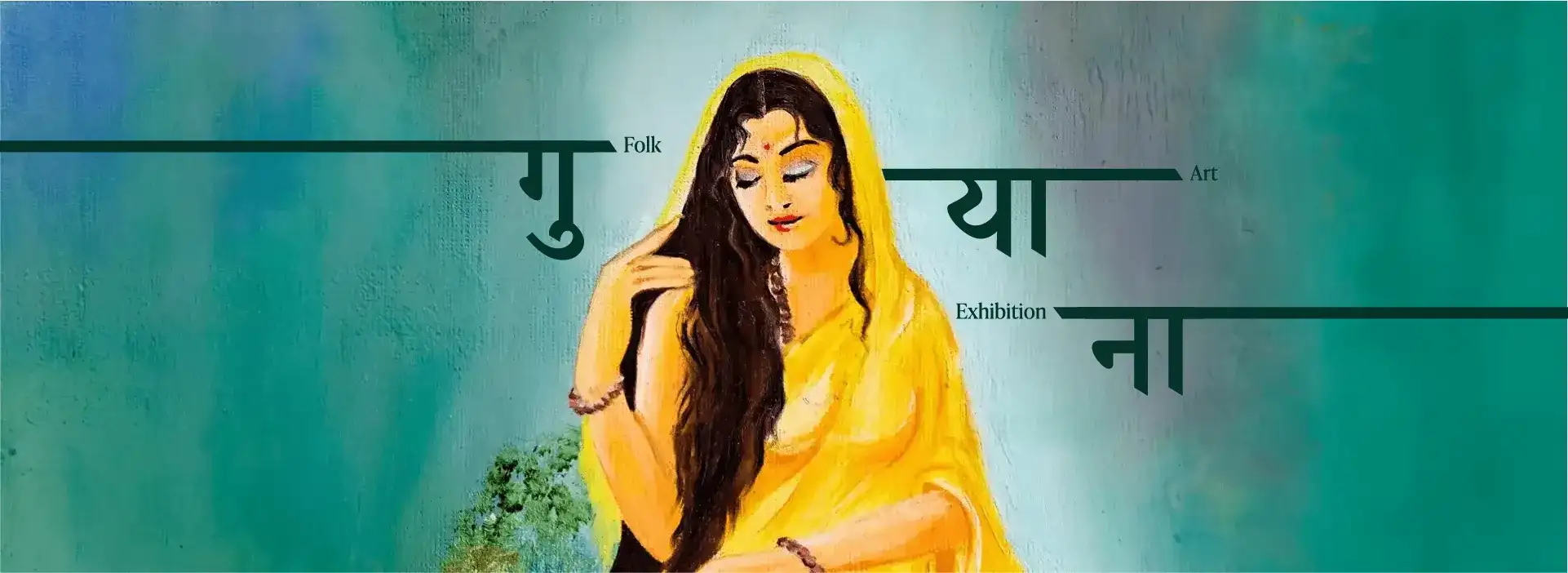
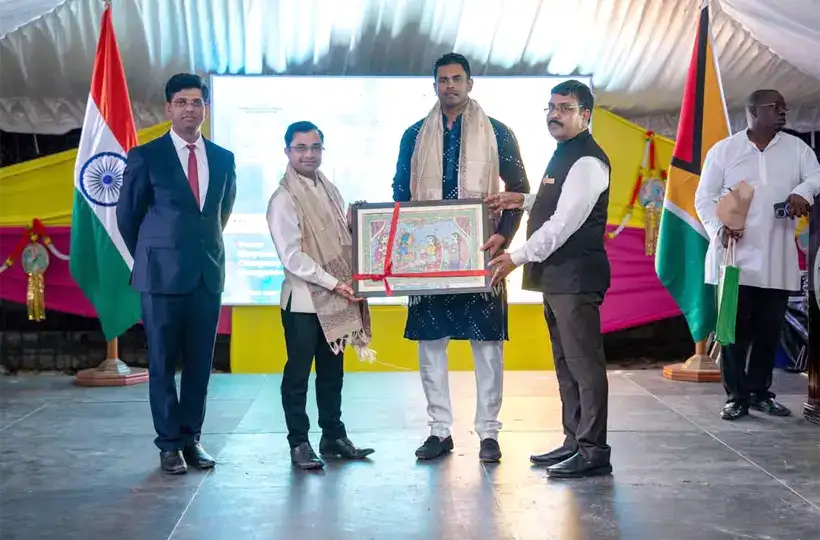
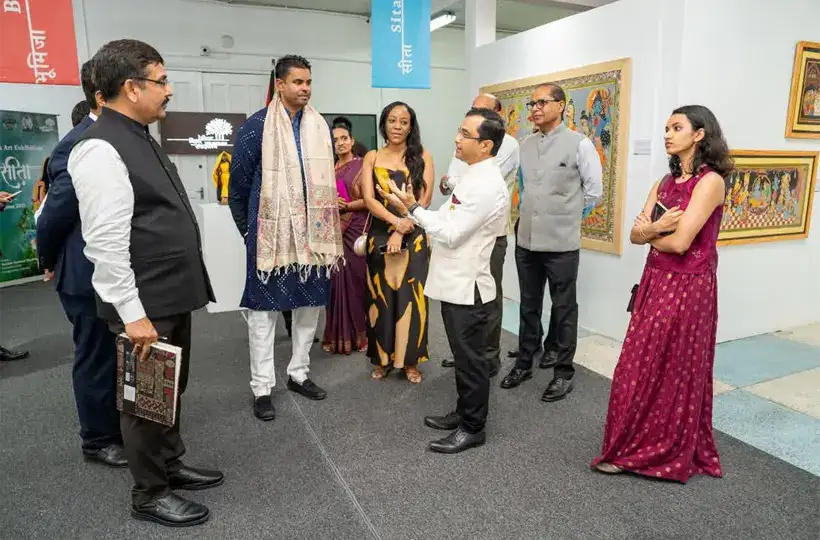
While Ramayana and Ramcharitramanas have been primarily thought of as the story of Rama, Sita's geographical and cultural provenance from Bihar creates an immediate anthropological and emotional connection with the migrant community. Sita’s origins in Sitamarhi, Bihar establishes a direct cultural lineage to the diaspora community that transcends temporal and geographical boundaries. Honouring this lineage, the Bihar Museum, Patna (India) gathered folk artists from Bihar to portray Sita's life and journey through their art. Thirty renowned folk artists, including Padma Shri awardees and recipients of national and state awards, specialising in Madhubani, Manjusha, Tikuli, Sujani and Applique, participated in an art camp. These artists, predominantly women, narrated Sita’s story in the folk arts of Bihar. These folk artists captured various moments from Sita's life - her birth, childhood, marriage, abduction and exile - through varied traditional art forms.
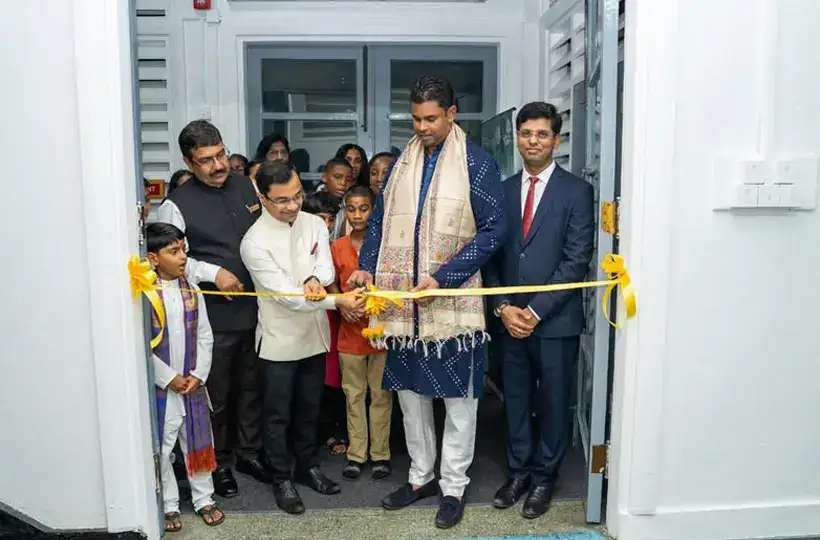
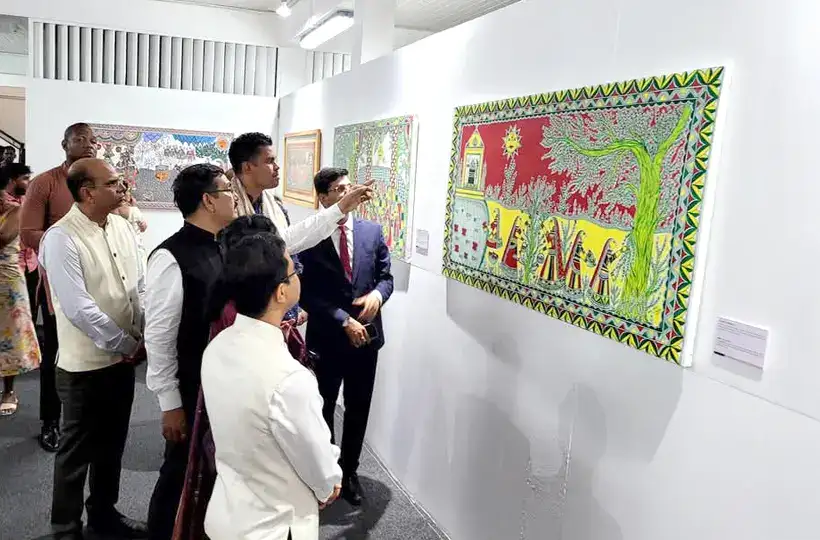
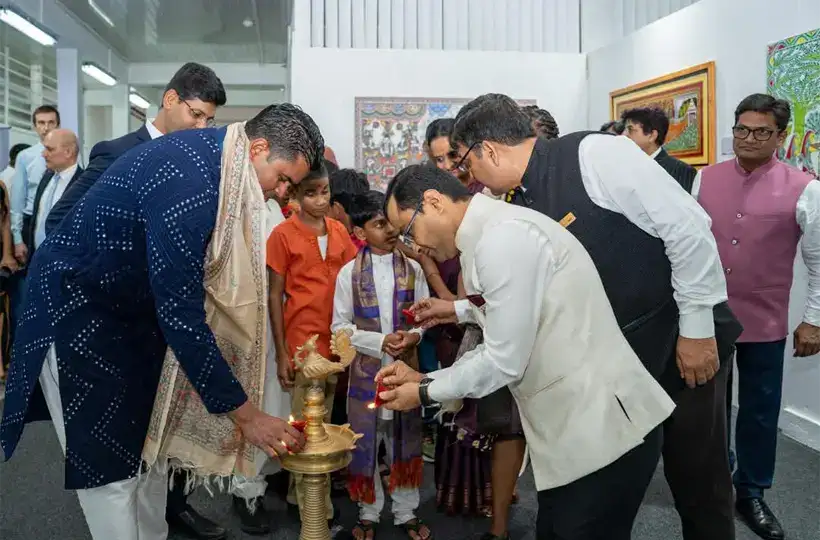
05 MAY 25 - 04 JUNE 25
The historical trajectory of Indian migration to Guyana represents a narrative of cultural displacement, shared history and transnational identity formation.
Must Know
MUSEUM HOURS
